
Pharmaceutical Air Freight
- Temperature plans matched to pharmaceutical product requirements
- Active and passive packaging selected for route duration
- Reduced transfer exposure for temperature-sensitive medicines
- Priority handling for critical pharmaceutical shipments

AC Global Services arranges pharmaceutical air freight for manufacturers, distributors and pharmaceutical companies transporting medicines, vaccines, biologics and other time- or temperature-sensitive products worldwide. Each shipment is planned according to the product specification, required temperature range, packaging system, route and delivery deadline.
For pharmaceutical cargo, the transport plan must account for more than flight time. Ground handling, connections, exposure during loading, storage conditions and final delivery can all affect product integrity. We therefore assess the complete movement from collection to consignee and select the transport solution according to the requirements of each pharmaceutical shipment.
Shipment Examples
- 15–25°C
- Scheduled pharma air freight
- 1850 kg
- 2–8°C
- Temperature-controlled
- 720 kg
- 2–8°C
- Active container
- 460 kg
- 15–25°C
- Priority air freight
- 3200 kg
* Each shipment is assessed separately according to the product specification, route, packaging and required delivery conditions.
Pharmaceutical Air Freight Services
Pharmaceutical products require transport conditions that reflect their stability profile, packaging performance and time outside controlled storage. Service selection depends on the product, required delivery window and available airline solution.
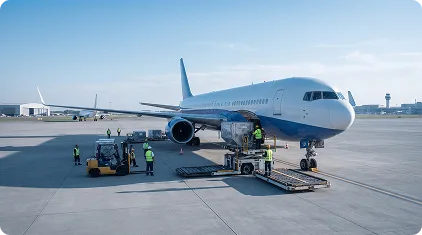
Scheduled Pharmaceutical Air Freight
Scheduled services can be used for pharmaceutical shipments when the selected flight, handling conditions and transit time meet the product requirements.
Typical shipments include:
- Finished medicines
- Pharmaceutical ingredients
- Commercial medicine stock
- Selected biologics
- Reagents and preparations
- Products for distributor replenishment
Before booking, we review the required transport conditions, shipment dimensions, packaging and route.
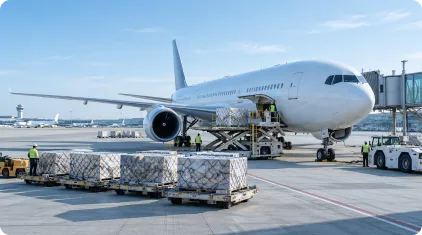
Priority Pharma Shipments
Priority air freight is used when pharmaceutical cargo has a strict delivery deadline or stock availability is critical.
This service may be required for:
- Urgent medicine replenishment
- Vaccine shipments
- Short-shelf-life products
- Critical pharmaceutical stock
- Investigational medicinal products
- Production-related pharmaceutical materials
Routing is selected to reduce unnecessary waiting time and avoid additional handling where possible.

Temperature-Controlled Air Freight
Where a pharmaceutical product must remain within a specified temperature range, the complete shipment plan is built around that requirement.
The solution may include:
- Qualified passive packaging
- Active temperature-controlled containers
- Temperature monitoring
- Controlled storage
- Reduced transfer time
- Coordinated destination handling
The required temperature range must be confirmed from the product specification before transportation is arranged.
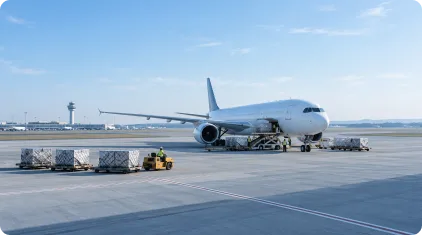
Pharmaceutical Cargo Charters
Dedicated aircraft can be considered when shipment volume, timing or operational requirements cannot be covered by scheduled airline capacity.
Charter solutions may support:
- Large pharmaceutical distribution programmes
- Vaccine movements
- Emergency medicine supply
- High-volume commercial pharmaceutical stock
- Government or humanitarian pharmaceutical shipments
Aircraft and handling arrangements are selected according to shipment volume, packaging configuration, route and required delivery schedule.
Pharmaceutical Products We Transport
This service focuses specifically on pharmaceutical cargo rather than the broader healthcare equipment category. Typical shipments include:

tablets, capsules, injectable products and other commercial pharmaceuticals

products requiring defined temperature and handling conditions

pharmaceutical products with strict transport requirements

materials moving between production and formulation facilities

pharmaceutical products used within clinical programmes


The transport plan is developed from the actual product requirements rather than assuming that all pharmaceutical cargo needs the same temperature or handling process.
Temperature-Controlled Pharmaceutical Transport
Temperature requirements can differ significantly between pharmaceutical products. Route selection, packaging and handling must therefore be based on the specified transport range.
2–8°C
Commonly required for refrigerated pharmaceutical products such as certain vaccines, biologics and injectable medicines.
Planning may consider:
- Packaging autonomy
- Controlled storage availability
- Transfer time
- Ambient conditions
- Ramp exposure
- Destination handling
15–25°C
Controlled room temperature transportation is used for pharmaceutical products that must be protected from both excessive heat and low temperatures.
This range may apply to finished medicines and other pharmaceutical preparations according to manufacturer specifications.
Product-Specific Conditions
Some pharmaceutical products require frozen, ultra-cold or narrower temperature ranges. These shipments are assessed separately according to the product specification and available transport infrastructure.
Active & Passive Packaging
Packaging must maintain the required conditions throughout the planned transport period, including handling and connection time.
Passive Packaging
Passive systems use insulated packaging and conditioned cooling materials rather than powered refrigeration.
They can be suitable for:
- Smaller pharmaceutical consignments
- Defined transport windows
- Routes with limited connection time
- Products covered by the qualified packaging duration
Active Containers
Active containers use powered heating or cooling systems to maintain controlled conditions during transportation.
They may be considered for:
- Larger pharmaceutical consignments
- Long-haul routes
- High-value medicines
- Products with narrow temperature requirements
- Shipments involving longer handling periods
Temperature data loggers or other monitoring devices can also be included when required to record conditions during transportation. The choice between active and passive packaging depends on the required temperature range, shipment volume, route, expected transport duration and product specification.
Route & Transfer Risk Planning
The fastest flight is not automatically the most suitable option for pharmaceutical cargo. A route with fewer transfers or stronger handling capabilities may provide better control over the shipment.
Before booking, we review factors such as:

Where practical, unnecessary transfers are avoided to reduce additional handling and exposure points.
How We Arrange Pharmaceutical Air Freight
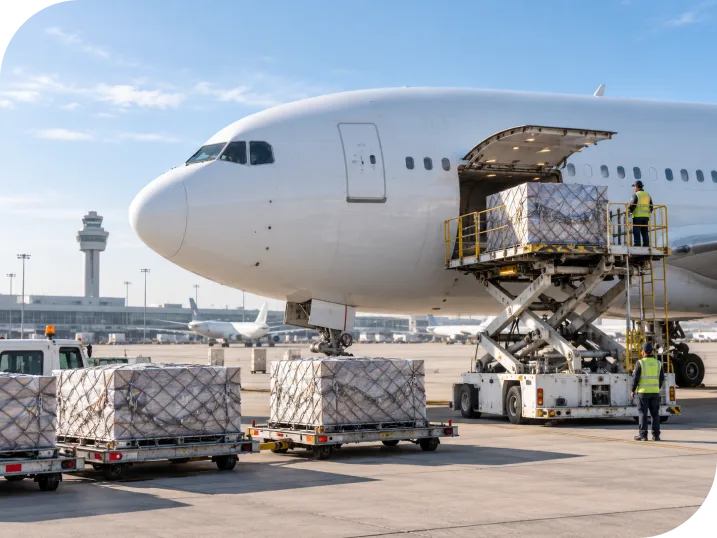
Frequently Asked Questions
Yes, when the airline accepts the product and the selected route can support its handling and temperature requirements. Shipment size, packaging and available capacity also affect acceptance.
The packaging system should cover the full planned journey together with an operational margin for transfers, handling and possible delays. The route should not be confirmed if the packaging autonomy is insufficient.
Yes, provided the packaging, handling arrangements and available facilities are suitable for the product requirements. Potential exposure during transfer should be assessed before booking.
They can be used where required to record temperature conditions during transportation. The monitoring device and reporting requirements should be agreed before dispatch.
Not necessarily. A route with one connection may sometimes provide better handling conditions than a direct option with unsuitable timings or limited temperature-control facilities.
Any routing change that affects transit time, transfer points or handling conditions should be reviewed against the packaging performance and product requirements before the shipment proceeds.
Contacts