
Live Animal Air Freight (AVI)
- Airline acceptance checked for every flight sector before booking
- Routes planned around species requirements and AVI handling facilities
- Containers, veterinary documents and handling instructions checked before departure
- Scheduled and charter options for individual animals and larger consignments
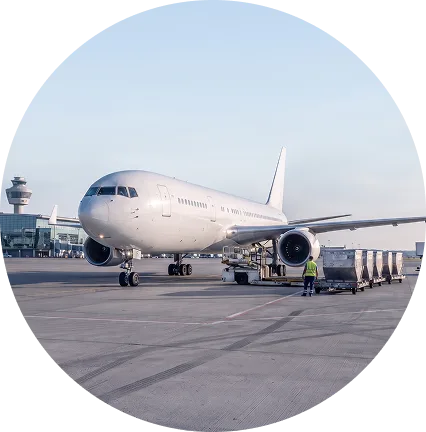
AC Global Services arranges international air freight for live animals on scheduled and charter flights. Each shipment is planned around the species, number of animals, transport container, origin and destination requirements, airline acceptance and permitted transit points.
Before booking, we assess the complete journey from collection and export handling to airport acceptance, flight, transit and handover at destination. The route is selected according to aircraft restrictions, ground handling conditions, connection time and the requirements of the countries involved.
Send the animal type, quantity, container details, total weight, origin, destination and preferred shipping date to receive an initial route proposal and cost estimate.
Live Animal Air Freight Examples
- 4 capybaras
- AVI acceptance, documentation, temperature management and shipment monitoring
- Cargo charter
- Sport horse
- Pickup, loading coordination, equine stall, AVI handling and transport documentation
- Cargo charter

Animals We Transport

Sport, breeding and competition horses transported individually or as part of a coordinated consignment.

Cattle, sheep, goats and other agricultural animals moved for breeding, farming and commercial projects.

Poultry, breeding birds, ornamental birds and other accepted avian species.

Animals transported between zoological parks, breeding centres, conservation organisations and specialist facilities.

Ornamental fish and other aquatic animals requiring species-specific containers and environmental conditions.

Acceptance depends on the species, age, health status, transport container, flight schedule, government requirements and restrictions of the selected carrier.
Air Freight Options for Live Animals
Live animals may travel on passenger or cargo aircraft or on a dedicated charter. The available option depends on the species, number of animals, container dimensions, route and AVI handling capabilities at each airport.
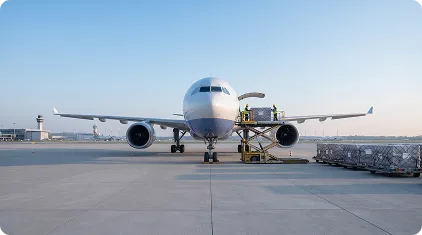
International air freight may be used when the carrier accepts the species, containers and complete route. Direct flights are preferred where practical, while connecting routes require suitable AVI handling at the transit airport. Aircraft type, terminal conditions, cut-off times and acceptance requirements are considered for departure, transit and destination points.
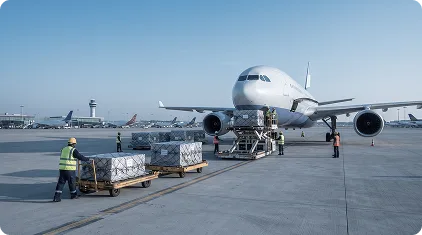
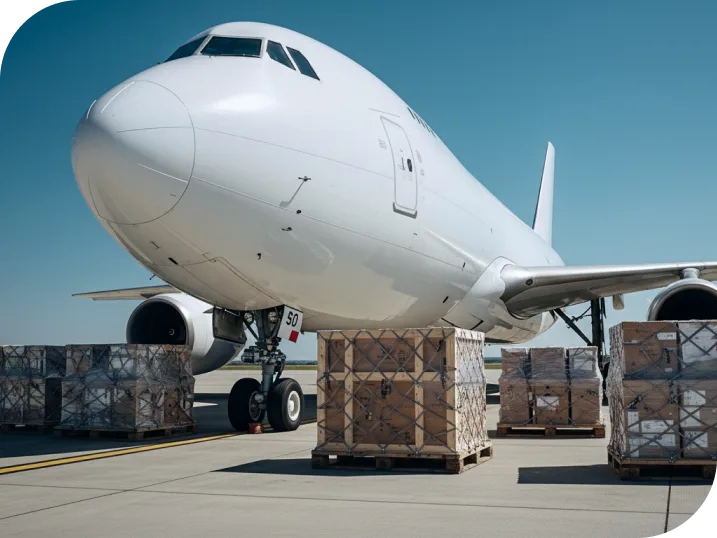
A cargo charter may be required for horses, large animals, livestock consignments, zoo animals or shipments that cannot be accepted on airline services. The charter may cover the complete journey or one sector of the route. Aircraft selection depends on the number of animals, container configuration, loading method, ventilation requirements and airport capabilities.
Route Planning and Airline Acceptance
AVI acceptance must be confirmed before the animals are delivered to the airport. Approval for one flight does not automatically confirm acceptance for a connecting service.
Route planning may include:
- approval of the species and quantity;
- aircraft and loading restrictions;
- permitted departure, transit and arrival airports;
- maximum connection time;
- seasonal and temperature restrictions;
- availability of AVI handling areas;
- transfer between airlines or terminals;
- an alternative route if the planned service changes.
For connecting flights, the complete itinerary is checked rather than booking each sector separately without confirming the onward movement.
Transport Containers and Preparation
The transport container must correspond to the species, size, weight and number of animals. It must also meet the applicable IATA Live Animals Regulations, airline rules and government requirements.
Depending on the shipment, the container may require:
- sufficient ventilation;
- a secure floor and closing system;
- protection against injury or escape;
- access for feeding or watering;
- suitable absorbent material;
- species and handling labels;
- space for the animal to remain in a natural position.
Container specifications should be checked before the shipping date. A container accepted by one carrier may not meet the limits of another airline or aircraft type.
Veterinary Documents and Permits
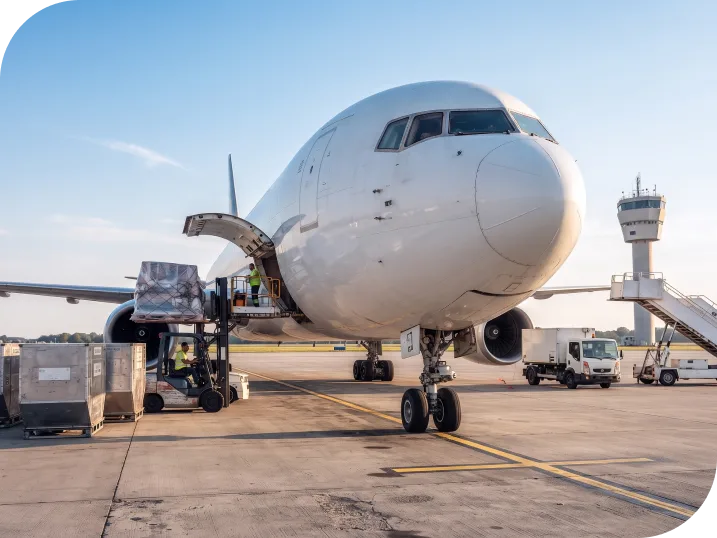
The document package depends on the species, purpose of transport and countries of departure, transit and destination.
It may include:
- Air Waybill;
- Shipper’s Certification for Live Animals;
- veterinary health certificate;
- vaccination and laboratory records;
- certificate of origin where required;
- export veterinary permit;
- import permit;
- customs documents;
- CITES documentation for protected species;
- feeding and watering instructions;
- emergency contact details.
Documents must be checked against the selected route before booking. Transit countries may also impose requirements even when the animals do not enter the local market. Customs clearance at origin, in transit or at destination can be coordinated where required.
Airport Handling and Transit Care
Delivery to the terminal and ground handling services are coordinated with the airline cut-off, veterinary control and planned departure time. The aim is to limit unnecessary waiting before loading. Depending on the route and species, handling may include:

When a connection is required, the transit airport and connection time are checked before departure. A shorter itinerary is not always suitable if the airport cannot support the required handling conditions.
Pickup and Final Delivery
Collection can be arranged from a farm, stable, breeding centre, zoo, specialist facility or another agreed location. The service scope may include:
- transport to the departure airport;
- export handling;
- airline booking;
- veterinary and customs coordination;
- transit support;
- import formalities;
- delivery to the consignee.
Available formats include airport-to-airport, airport-to-door, door-to-airport and door-to-door transport. The exact scope is confirmed before quotation.
What Affects the Cost
There is no standard rate per animal. The calculation depends on:
- species and number of animals;
- number and dimensions of containers;
- actual and chargeable weight;
- scheduled flight or cargo charter;
- direct or connecting itinerary;
- veterinary procedures and permits;
- origin and destination airports;
- ground transport;
- airport handling and storage;
- accompanying personnel;
- customs and quarantine requirements;
- seasonal capacity.
A quotation is prepared after the route and preliminary airline acceptance have been checked.
How the Transport Process Works
Frequently Asked Questions
This may be possible, but compatibility, separation requirements and airline restrictions must be checked before booking. Some species cannot be placed close to one another during transport.
An attendant may be arranged for certain shipments, particularly horses, livestock and zoo animals. Approval depends on the aircraft, operator and route.
The shipment must be checked against the limits of the replacement aircraft. Container dimensions, loading method or the booking itself may need to be revised.
Yes, when the transit airport accepts AVI cargo and has suitable handling conditions. Connection time, terminal transfer and onward acceptance must be confirmed in advance.
A through Air Waybill may be available when the airlines and route support it. Other shipments may require separate documents for different flight sectors.
The onward booking is reviewed and the animals are placed in the appropriate handling area while an alternative flight is checked. The available options depend on the species, airport facilities and carrier acceptance.
Request an AVI Transport Quote
Send the animal type, quantity, container details, route and preferred shipping date to receive an initial acceptance check and transport proposal.
Contacts